


What happens between drill results
For a junior explorer, the time between the last drill hole and the first assay result can feel like the longest stretch of the year. The rig has packed up, samples are sitting in a laboratory queue, and there may be nothing new to announce for weeks or even months.
Investors often read that silence as bad news. Share prices drift, forum commentary fills the gap, and by the time results arrive, some of the interest the company built at the start of the program has already gone.
It doesn’t have to work that way. The quiet periods are part of every exploration company’s year, and the companies that handle them well tend to plan for them before the drilling even starts.
Set expectations at the start
The best time to manage the wait for results is in the announcement that drilling has begun. A clear explanation of what the program is designed to test, how many holes and metres are planned, and roughly when results are expected gives investors a timeline to hold the company to.
When a company says results are expected in six to eight weeks, investors can wait patiently. When it says nothing about timing, every week without news invites speculation. If timing changes because of laboratory backlogs or weather, a brief update is far better than leaving the original expectation hanging.
Know what can and can’t be said
Continuous disclosure is the starting point for everything a listed company communicates, and it cuts both ways. Anything material has to be announced to the ASX first, and nothing should be said in a presentation, interview or social media post that hasn’t already been disclosed to the market.
This matters most in the gap between drilling and assays. Geologists see the core well before the laboratory does, and there’s a natural temptation to share early impressions. ASX takes a strict view on visual estimates of mineralisation, and any reference to them needs to meet specific requirements, including appropriate cautionary statements and the involvement of a competent person. A casual comment from a site visit or an enthusiastic post can easily create a disclosure problem.
Stay visible without saying anything new
There is still plenty a company can do during a quiet period that doesn’t involve releasing new information.
Explain the story again. New investors join the register all the time, and many existing shareholders have never fully understood the geology or the strategy. A clear, refreshed investor presentation, a short explainer video or a well-written summary of the project is valuable at any time, and quiet periods are the natural moment to produce them.
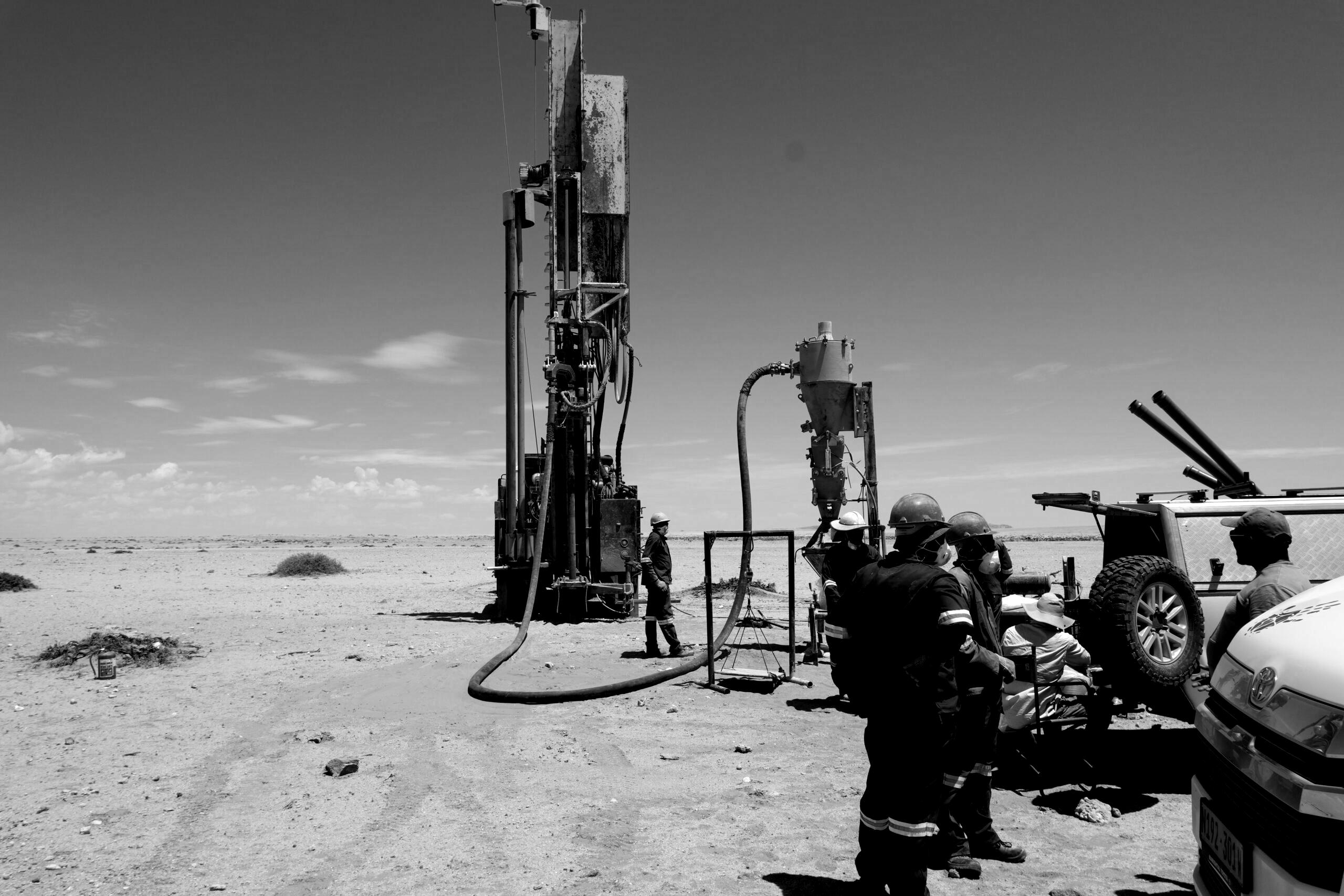
Show the work. Photos of the rig on site, the team logging core or the sampling process help investors see that the company is active. As long as the content is factual and doesn’t hint at results, it’s a simple way to stay present on LinkedIn and other channels.
Get in front of people. Investor events, webinars, conferences and broker meetings are well suited to quiet periods. Management has time to meet investors, and the conversation can focus on the company’s strategy and the significance of what’s being tested rather than the latest headline.
Put the company in context. Commodity news, industry developments and changes in the sector can all be used to remind investors why the project matters, provided the company is careful not to overstate its own position.
Consistency beats volume
None of this means a company needs to post every day or announce every minor development. Investors are quick to recognise activity for the sake of activity, and frequent non-material announcements can dilute the impact of the ones that matter.
What works is steady, consistent communication that keeps investors informed about where the company is in its program and what comes next. When results do arrive, they land with a market that has been following along, rather than one that has to be won back.
At Discovir, we plan the communication around a drilling program at the same time our clients plan the drilling itself. The results will always be the main event, but the weeks in between are where much of the investor relationship is built.